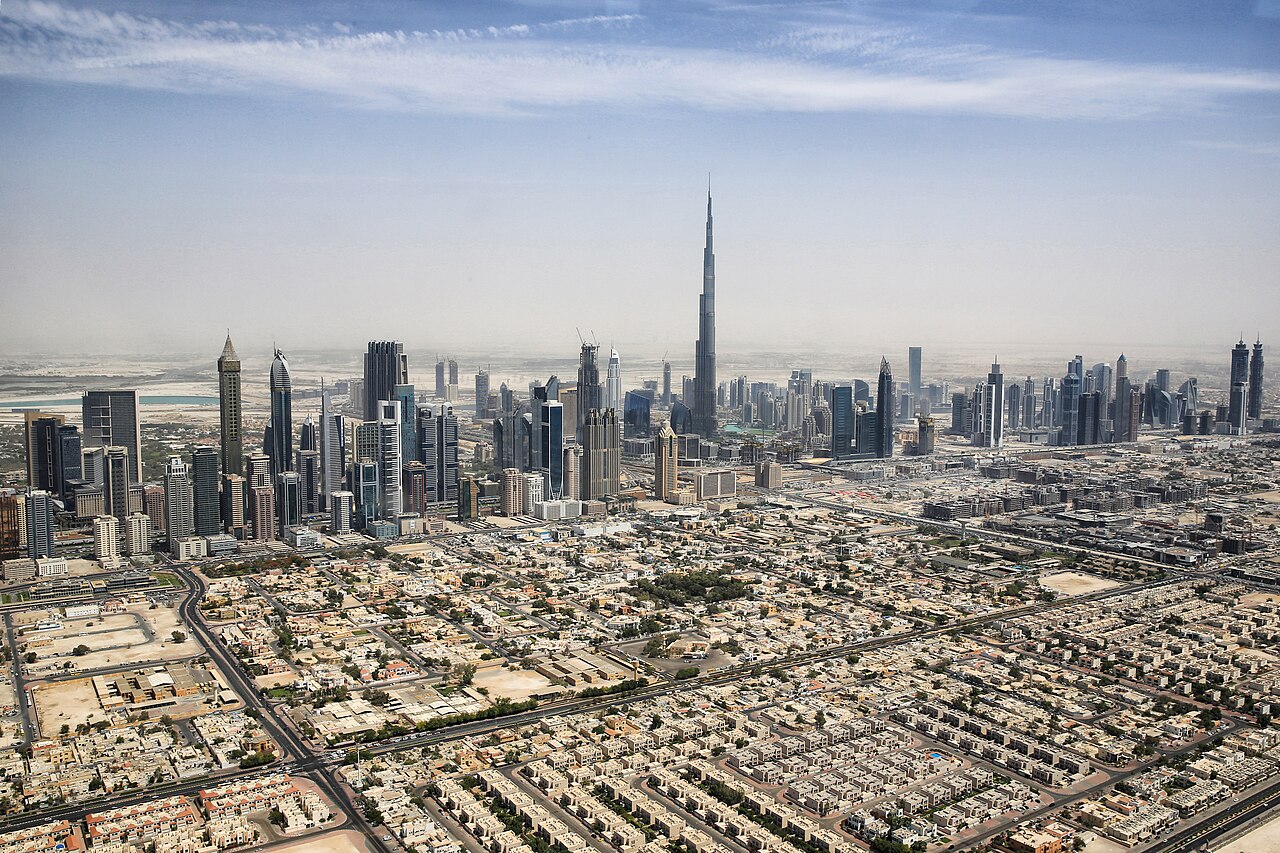
The UAE Economy: From Oil Wealth to a Diversified Global Powerhouse
The United Arab Emirates (UAE), a dynamic federation of seven sovereign emirates, has orchestrated one of the most remarkable economic transformations in modern history. From a collection of pearling and trading economies along the Arabian Gulf, the nation, officially formed on December 2, 1971, swiftly leveraged its vast hydrocarbon reserves to become one of the world's wealthiest states. However, the true testament to the UAE's economic prowess lies not just in its initial oil wealth, but in its visionary leadership's strategic pivot towards diversification, innovation, and global integration, fundamentally reshaping its economic landscape. This journey from a resource-dependent state to a multifaceted global powerhouse exemplifies strategic foresight and ambitious execution. While oil revenues undeniably provided the initial capital injection, it was the calculated investment in infrastructure, human capital, and cutting-edge technologies that truly set the stage for sustained growth and resilience. The UAE today boasts a robust GDP per capita, estimated at approximately $49,378 in 2024, reflecting a sophisticated economy increasingly driven by non-oil sectors.The Genesis of Prosperity: Oil and Nation-Building
The mid-20th century discovery of substantial oil reserves, predominantly in Abu Dhabi, served as the catalyst for the UAE's rapid ascent. Before this pivotal moment, the emirates sustained themselves through traditional activities like pearl diving, fishing, and regional trade. The newfound black gold provided an unprecedented financial windfall, which, unlike in some resource-rich nations, was channeled into comprehensive national development. The leadership of the newly formed federation, under the guidance of its founding fathers, notably Sheikh Zayed bin Sultan Al Nahyan, understood that oil was a finite resource. They embarked on an ambitious program of modernization, building world-class infrastructure – including roads, airports, seaports, and communication networks – that laid the groundwork for future economic expansion. This era also saw significant investment in social services, education, and healthcare, improving the quality of life for citizens and attracting a nascent expatriate workforce essential for growth. The careful stewardship of hydrocarbon wealth transformed desert landscapes into bustling metropolises and established a stable political environment conducive to long-term economic planning. To delve deeper into the unique structure and formation of this nation, you might find Unpacking the UAE: A Federation of Seven Sovereign Emirates an insightful read.Charting a Course Beyond Hydrocarbons: Pillars of Diversification
Recognizing the imperative to future-proof its economy, the UAE launched aggressive diversification strategies decades ago. These efforts have transformed its economic profile, with non-oil sectors now contributing the lion's share of its GDP. This strategic shift is not merely about reducing reliance on oil; it's about building a sustainable, knowledge-based economy ready for the 21st century.Key sectors driving this diversification include:
- Logistics and Aviation: Leveraging its strategic geographical location at the crossroads of East and West, the UAE has become a formidable global logistics and aviation hub. Dubai, in particular, has emerged as a major trade entrepôt, home to Dubai International Airport (DXB), one of the world's busiest, and Jebel Ali Port, a colossal shipping container facility. Airlines like Emirates and Etihad Airways connect the world, facilitating trade, tourism, and talent mobility.
- Financial Services: The establishment of specialized financial free zones like the Dubai International Financial Centre (DIFC) and Abu Dhabi Global Market (ADGM) has attracted leading global financial institutions. These zones offer world-class regulatory frameworks, tax incentives, and robust infrastructure, positioning the UAE as a regional and increasingly global financial services capital.
- Real Estate and Tourism: Iconic architectural marvels, luxurious resorts, and world-class entertainment venues have cemented the UAE's reputation as a premier tourist destination. From Dubai's Burj Khalifa and sprawling shopping malls to Abu Dhabi's cultural institutions like the Louvre Abu Dhabi, the real estate and tourism sectors continue to attract massive investment and visitor numbers, creating countless job opportunities.
- Technology and Innovation: The UAE is aggressively investing in advanced technologies, including artificial intelligence (AI), blockchain, and smart city solutions. Initiatives like the UAE National AI Strategy 2031 underscore its ambition to become a global hub for AI innovation and application. The nation's foray into space exploration, marked by the successful Hope Mars probe in 2020 and astronaut missions to the International Space Station, demonstrates a bold commitment to scientific and technological advancement.
- Culture and Education: Emirates like Sharjah have cultivated a strong identity as cultural and educational centers, recognized by UNESCO. Investments in universities, research institutions, and cultural heritage sites contribute to human capital development and diversify the appeal of the nation beyond commerce and leisure.
For businesses and investors, the UAE offers an attractive environment characterized by political stability, zero personal income tax, a growing network of free zones with 100% foreign ownership, and a strategic location. These factors, combined with continuous infrastructure development and a forward-looking regulatory framework, make the UAE a highly competitive global investment destination.
A Federation of Economic Powerhouses: Emirate-Specific Roles
While united, each of the seven emirates contributes uniquely to the UAE's economic tapestry, often specializing in distinct areas:- Abu Dhabi: As the federal capital and holder of the majority of the nation's oil wealth, Abu Dhabi acts as the economic anchor. It stewards long-term investments through sovereign wealth funds like the Abu Dhabi Investment Authority (ADIA) and Mubadala, focusing on strategic industries, clean energy, and cultural development.
- Dubai: Despite possessing far fewer oil reserves, Dubai has strategically positioned itself as a global city-state renowned for trade, tourism, finance, and innovation. Its pro-business policies, world-class infrastructure, and iconic skyline define its role as an international hub.
- Sharjah: Often referred to as the cultural capital, Sharjah balances its rich heritage with a growing manufacturing base, robust educational institutions, and a thriving SME sector. It provides a more cost-effective alternative for businesses while maintaining high standards of living and social services.
- Fujairah: Located on the Gulf of Oman, Fujairah is a crucial strategic port and an energy hub, specializing in bunkering and oil storage. Its access to the Indian Ocean bypasses the Strait of Hormuz, giving it significant geopolitical and economic importance.
- Ras Al Khaimah (RAK): RAK has emerged as an industrial and tourism hub, with a focus on manufacturing, ceramics, and adventure tourism, capitalizing on its diverse natural landscapes.
- Ajman & Umm al-Quwain: These emirates are developing their economies with a focus on real estate, tourism, and light industries, often offering attractive free zone opportunities for smaller enterprises.
The UAE's Global Ambition: Future-Proofing for Tomorrow
The UAE's economic trajectory is not merely about past successes; it is profoundly oriented towards the future. The nation has articulated ambitious visions, such as achieving net-zero emissions by 2050, demonstrating a commitment to sustainability and green technologies. This includes significant investments in renewable energy projects, smart infrastructure, and environmental conservation efforts. The UAE’s pragmatic and strategic foreign relations, including the historic Abraham Accords with Israel in 2020, have also opened new economic corridors and diversified its partnerships globally. This proactive diplomacy, coupled with continuous innovation in critical sectors like AI and space, solidifies the UAE's position as a dynamic global player. However, like any rapidly developing nation, the UAE faces challenges, including ongoing debates over labor conditions for its largely expatriate workforce (which constitutes over 80% of the population) and the limited scope for political participation for its citizens. Addressing these areas will be crucial for sustained, inclusive growth. For a broader understanding of how these elements shape the nation's standing, consider reading UAE's Global Influence: Diplomacy, Innovation, and Future Ambitions.Practical Tip for Businesses: When considering market entry or expansion in the UAE, research the specific emirate that best aligns with your industry. Each emirate offers unique benefits, free zones, and regulatory environments tailored to different business needs. Understanding these nuances can significantly impact your success.